
The complete guide to allergies
Blogs > The complete guide to allergies
The Complete Guide to Allergies:
From Asthma to Food & Drug Reactions
1. What are Allergies?
Allergies occur when the immune system overreacts to substances that are normally harmless. These substances are called allergens.Common allergens include dust mites, pollen, pet dander, foods, insect venom, mould, and certain medications. When exposed, the immune system releases chemicals like histamine, causing symptoms that vary depending on the organ system affected (lungs, nose, skin, stomach, etc.).
2. Types of Allergies
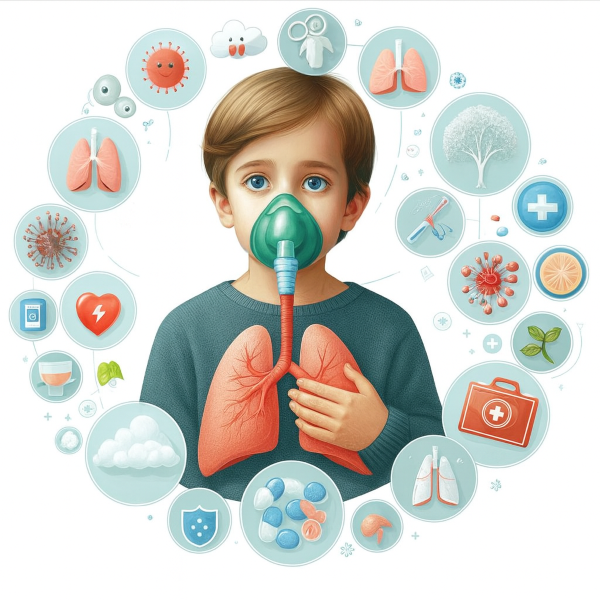
A. Allergies Related to Asthma (Allergic Asthma) What Happens?In allergic asthma, the airways become inflamed and narrow when exposed to allergens, making it difficult to breathe.
– Dust mites
– Pollen
– Cockroaches
– Mould
– Pet hair / animal dander
– Strong odours, smoke, perfumes
Symptoms:
– Wheezing
– Breathlessness
– Chest tightness
– Persistent cough
– Nighttime breathing difficulty
Complications:
If untreated, allergic asthma may lead to:
– Frequent asthma attacks
– Reduced lung function
– Hospitalization
Management:
– Identifying and avoiding triggers
– Using prescribed inhalers (controller + reliever)
– Immunotherapy (in some cases)
– Keeping indoor air clean
What Happens?
The immune system reacts to airborne allergens, causing inflammation in the nasal passages.
Common Triggers:
– Pollen (seasonal)
– Dust mites
– Mould spores
– Animal dander
Symptoms:
– Sneezing
– Runny or blocked nose
– Itchy nose, eyes, or throat
– Watery eyes
– Postnasal drip
Management:
– Allergen avoidance
– Nasal sprays (anti-histamine/corticosteroid)
– Steam inhalation
– Regular cleaning of living spaces
Types:
1. Contact Dermatitis
– Caused by soaps, cosmetics, metals, plants, dyes.
2. Atopic Dermatitis (Eczema)- Usually genetic; triggered by dust, food, stress, temperature.
3. Urticaria (Hives)- Red, itchy, raised welts caused by food, drugs, stress, or infections.
Symptoms:
– Redness
– Itching
– Swelling
– Rashes or blisters
Management:
– Avoiding irritants
– Using moisturizers
– Anti-histamines
– Corticosteroid creams (if prescribed)
Common Food Triggers:
– Eggs
– Milk
– Peanuts
– Tree nuts
– Shellfish
– Wheat
– Soy
Symptoms:
– Itching in mouth or throat
– Swelling of lips/face
– Vomiting or diarrhea
– Skin rashes
– Breathing difficulty (severe cases)
Severe Reaction:
– Anaphylaxis a life-threatening allergic reaction requiring immediate medical attention.
Management:
– Avoid allergens strictly
– Read food labels
– For severe allergies: Carry an epinephrine auto-injector
Common Drugs That Cause Allergies:
– Antibiotics (Penicillin, Sulfa drugs)
– Painkillers (NSAIDS)
– Anti-seizure medications
– Chemotherapy drugs
Symptoms:
– Rash
– Swelling of lips/face
– Hives
– Itching
– Swelling
– Fever
– Breathing difficulty (in severe cases)
Management:
– Inform doctor about known allergies
– Stop medication immediately (under medical guidance)
– Desensitization in specific cases
3. Common Myths & Facts About Allergies
Myth 1: “Only children get allergies.”
Fact: Allergies can develop at any age childhood, adulthood, or even after 50.
Myth 2: “Food allergies and food intolerance are the same.”
Fact: Food intolerance affects digestion; food allergies affect the immune system and can be life-threatening.
Myth 3: “Allergies are harmless.”
Fact: Some allergies can cause severe asthma attacks or anaphylaxis.
Myth 4: “You can outgrow all allergies.”
Fact: Some childhood allergies improve, but others especially asthma, nut allergies often persist.
Myth 5: “Keeping pets outdoors prevents all allergies.”
Fact: Pet dander can stay in clothes, furniture, and air for long periods.
Myth 6: “Antihistamines cure allergies.”
Fact: They only control symptoms, not cure the underlying cause.
Myth 7: “You can’t be allergic to medicines you’ve taken before.”
Fact: Drug allergies can develop even after years of safe use.
Myth 8: “Strong immunity prevents allergies.”
Fact: Allergies are immune system overreactions, not weakness.
4. How Allergies Affect Daily Life
Allergies may lead to:
– Poor sleep
– Fatigue
– Frequent sinus and respiratory infections
– Reduced work or school productivity
– Anxiety and stress
– Worsening asthma or breathing issues
5. When Should You See a Doctor?
Seek medical help immediately
if you experience:
– Persistent breathing difficulty
– Chest tightness
– Continuous sneezing or nasal blockage
– Severe skin rash
– Swelling of face, lips, or eyes
– Reaction after eating food or taking medicine
– Symptoms lasting more than 1-2 weeks
6. Allergy Comparison Charts
Yearly Allergy Comparison :
| Year | Allergy type | Severity Trend | Notes |
|---|---|---|---|
| 2022 | Asthma, Rhinitis | Medium | Seasonal spikes Obesrved |
| 2023 | Skin & Food Allergy | High | Humidity increase reactions |
| 2024 | Drug Allergy | Low | Better awareness & testing |
| Age Group | Common Allergies | Risk Level | Comments |
|---|---|---|---|
| 0-10 Years | Food, skin Allergy | High | Immature Immunity |
| 10-40 Years | Rhinitis, Asthma | Very High | Active exposures to triggers |
| 40+ Years | Drug Allergy, Asthma | Meduim | Chronic conditions rise |
| Climate Type | Common Allergy Types | Trigger Severity | Description |
|---|---|---|---|
| Summer | Rhinitis, Skin Allergy | High | Dust & heat increase reactions |
| Rainy | Asthma, Mold Allergy | Very High | Humidity favors fungal growth |
| Winter | Asthma, Rhinitis | Meduim | Dry air worsens breathing issues |
7. Conclusion
Allergies whether related to breathing, skin, food, or medicines-must be identified early and treated properly. Understanding triggers and following preventive measures can help avoid serious complications like asthma attacks, sinus infections, or anaphylaxis.